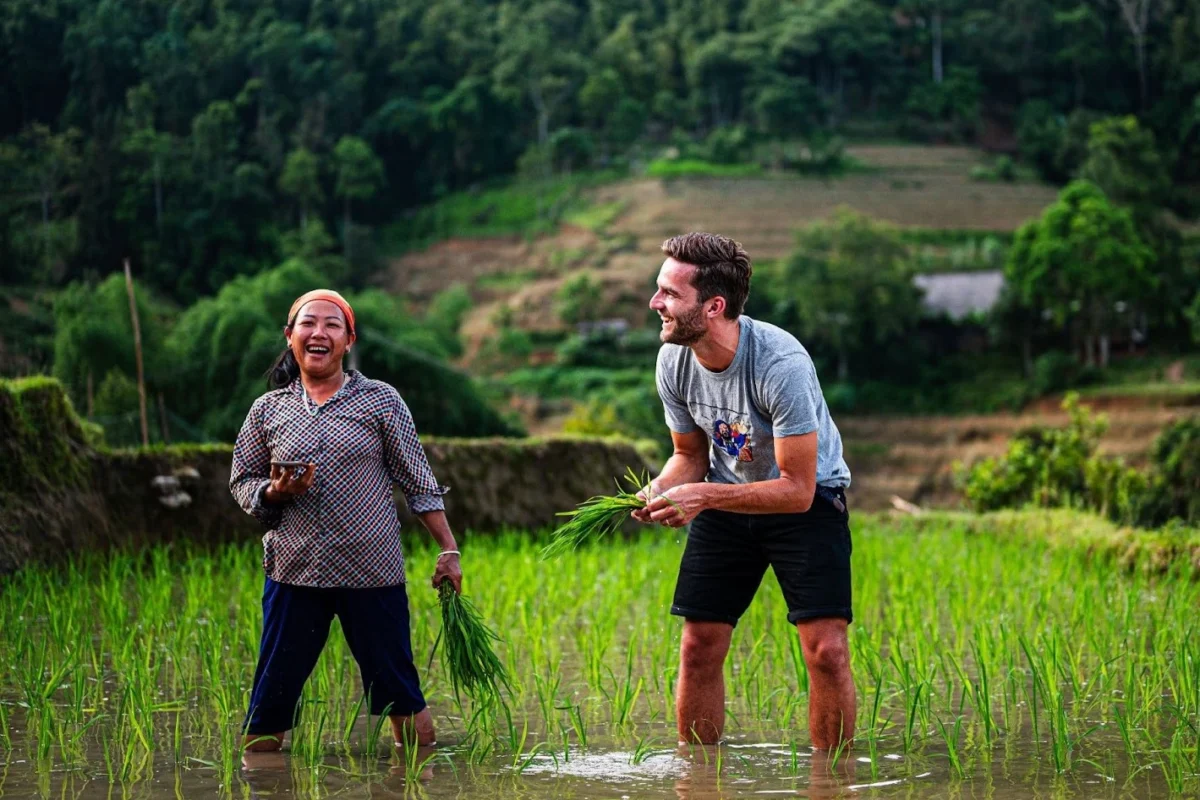
Travel has always been about discovering new places, meeting new people, and stepping outside your comfort zone. But in recent years, more travelers have started seeking experiences that go beyond sightseeing. Enter voluntourism—a blend of volunteering and tourism that allows travelers to give back to the communities they visit. It’s a meaningful way to make a difference while gaining a deeper understanding of the world.
However, voluntourism is not without its complexities. When done right, it can create positive change. When approached without thought, it can do more harm than good. So what exactly is voluntourism, and how can you engage in it responsibly?
What Is Voluntourism?
Voluntourism refers to traveling with the primary purpose of volunteering, often in developing regions or areas recovering from crises. It can involve a variety of activities, such as teaching English, building homes, participating in wildlife conservation, or helping with community projects.
Unlike traditional tourism, which focuses on leisure, voluntourism adds an element of service. It’s especially popular among gap-year students, career breakers, retirees, and families looking to travel with a purpose.
Why People Choose Voluntourism?
There are many reasons travelers are drawn to voluntourism:
- Personal Fulfillment: Helping others can be deeply rewarding and give new meaning to travel.
- Cultural Immersion: Volunteering often brings you closer to local communities than typical tourist activities.
- Skill Development: Many programs allow you to use or gain skills in teaching, healthcare, construction, or language.
- Creating Positive Impact: There’s a desire to leave a destination better than you found it.
When approached ethically and with the right intentions, voluntourism can be a mutually beneficial experience for both the traveler and the community.
Common Types Of Voluntourism Projects
- Education: Teaching English or basic literacy skills in schools or after-school programs.
- Healthcare: Assisting in clinics or providing health education (usually for qualified professionals).
- Environmental Work: Participating in conservation efforts like beach clean-ups, wildlife tracking, or tree planting.
- Construction: Helping build homes, schools, or community centers.
- Animal Welfare: Working in shelters or rescue centers, often in wildlife conservation settings.
Programs vary widely in scope, cost, and impact—so choosing the right one is crucial.
How To Choose Ethical Voluntourism Programs?
Not all voluntourism is created equal. Some organizations, despite good intentions, may prioritize profit over impact or unintentionally exploit communities. To ensure you’re engaging responsibly:
1. Research The Organization: Look for transparency, local partnerships, and clear impact goals.
2. Ask Where Your Money Goes: Reputable programs will break down how your fees support the community.
3. Match Your Skills: Only sign up for roles you’re qualified to do. For example, teaching or medical work should be left to trained professionals.
4. Prioritize Sustainability: Choose programs that focus on long-term development rather than quick fixes.
5. Respect Local Culture: Cultural sensitivity training and ethical guidelines should be part of any good voluntourism program.
Organizations like Voluntourism.org, GoAbroad, and Planeterra can help connect travelers with vetted programs.
The Risks Of Poorly Planned Voluntourism
Well-meaning travelers can inadvertently cause harm if programs are not carefully designed. Examples include:
- Creating dependency on volunteers instead of empowering locals.
- Displacing local jobs.
- Participating in “orphanage tourism,” which can exploit children.
- Providing unqualified services (like medical or psychological care).
Always remember: voluntourism should support communities, not replace them.
Final Thoughts
Voluntourism offers a unique way to see the world while contributing to meaningful change. But with that opportunity comes responsibility. By choosing ethical programs, aligning your skills with community needs, and putting impact before adventure, you can travel in a way that enriches both your journey and the lives of others.
Giving back while you explore the world isn’t just possible—it can be one of the most rewarding ways to travel.
Take a look at these resources:
https://wordtaps.com/
https://heatheninc.com/
https://vstorekids.com/
https://mundoadministrativo.net/
https://aguidetravel.com/
https://onlinebuymarijuana.com/
https://tnanews.net/
https://janewashere.co.uk/
https://hotelsinvalencia.org/
https://topholidays.net/
https://zbusoft.com/
https://triltechnology.net/
https://homelessinformation.com/
https://cadhomeplan.com/
https://marcospitbullhome.com/
https://polynews.org/
https://healthylivingindia.org/
https://thenewstime.net/
https://promopoker.net/
https://refinance-student-loans.org/
https://cityp.org/
https://oldpathshomesteading.com/
https://newsetmoto.com/
https://aboutfinancetoday.com/
https://homesandbenefits.com/
https://geotheatre.org/
https://firstpresbyterianpreparatoryschool.org/
https://homesbyelva.com/
https://askdrhealth.com/
https://thefashionstyle.org/