
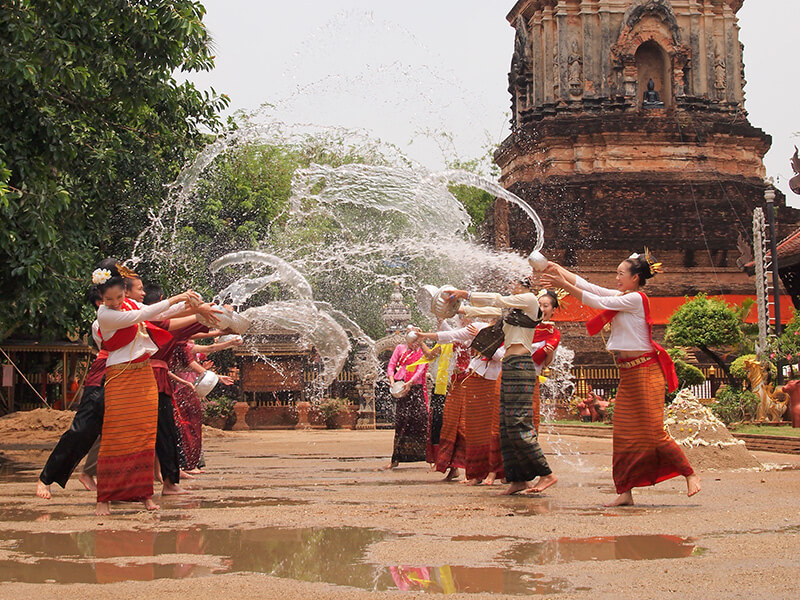
Many quiet cities around the world remain unnoticed for most of the year. Streets stay calm, local businesses operate at a steady pace, and tourism remains limited. However, everything changes when a major cultural festival arrives. Music fills public squares, hotels become fully booked, restaurants stay crowded, and thousands of visitors travel from different regions to experience the celebration. Cultural festivals have become one of the strongest forces behind tourism growth in smaller cities.
Festivals Bring New Life to Local Economies
One of the biggest impacts of cultural festivals is the economic boost they create. Hotels, transportation companies, local vendors, and restaurants often experience their busiest period during these celebrations. A city that normally sees limited tourism activity can suddenly become a major attraction.
Many local governments invest heavily in festival planning because these events attract international attention. Travelers often spend money on accommodations, souvenirs, local food, and guided experiences. This temporary increase in tourism revenue can help support small businesses throughout the year.
Interestingly, online searches connected to travel and local opportunities also rise during festival seasons. Some visitors even combine travel research with unrelated searches like up sewayojan portal while planning extended stays or employment related activities in new regions.
Traditional Culture Gains Global Recognition
Cultural festivals allow communities to showcase their traditions to a wider audience. Dance performances, local music, traditional clothing, and regional cuisines all become part of the visitor experience. Travelers today increasingly seek authenticity rather than generic tourist attractions.
Cities that were once considered quiet or overlooked often gain international recognition after hosting successful annual festivals. Once people share photos and videos online, the destination becomes more appealing to future travelers. Social media has accelerated this process dramatically over the last decade.
Visual art also plays an important role in many festivals. Decorative designs inspired by regional traditions often become part of celebrations. Some younger travelers even search for creative inspirations such as Royalfronthandmehndidesign before attending cultural events that include traditional ceremonies and artistic showcases.
Festivals Create Emotional Connections for Visitors
Tourists often remember emotional experiences more than famous landmarks. A traveler may forget the name of a building but never forget dancing in a crowded street festival or participating in a cultural parade with locals.
This emotional connection encourages repeat tourism. Visitors who enjoy one festival often return the following year with friends or family members. Cities benefit from this loyalty because it builds a long term tourism identity rather than temporary attention.
Many festivals also encourage participation instead of passive observation. Cooking workshops, folk dance lessons, and craft activities help tourists feel personally connected to local culture. Even simple activities can become memorable when shared with local communities.
Some art festivals include interactive exhibits where visitors learn unusual creative techniques. Workshops that teach skills like how to draw a perfect circle may seem simple, but they add a hands on element that makes cultural events more engaging for tourists of all ages.
Social Media Amplifies Festival Popularity
Modern tourism is strongly influenced by digital exposure. A single viral video can turn a relatively unknown festival into an international attraction. Travelers constantly search for unique destinations that provide memorable experiences and visually appealing content.
Cities that once relied only on regional visitors now attract international travelers because of online visibility. Festivals become highly photographed events filled with colorful decorations, live performances, and local traditions that people love sharing online.
Travel blogs, influencers, and digital magazines contribute significantly to this growth. Online communities discussing travel trends sometimes feature festivals through platforms connected to topics like anfieldedition, where storytelling and visual experiences attract audiences interested in culture and entertainment.
Smaller Cities Benefit More Than Major Tourist Destinations
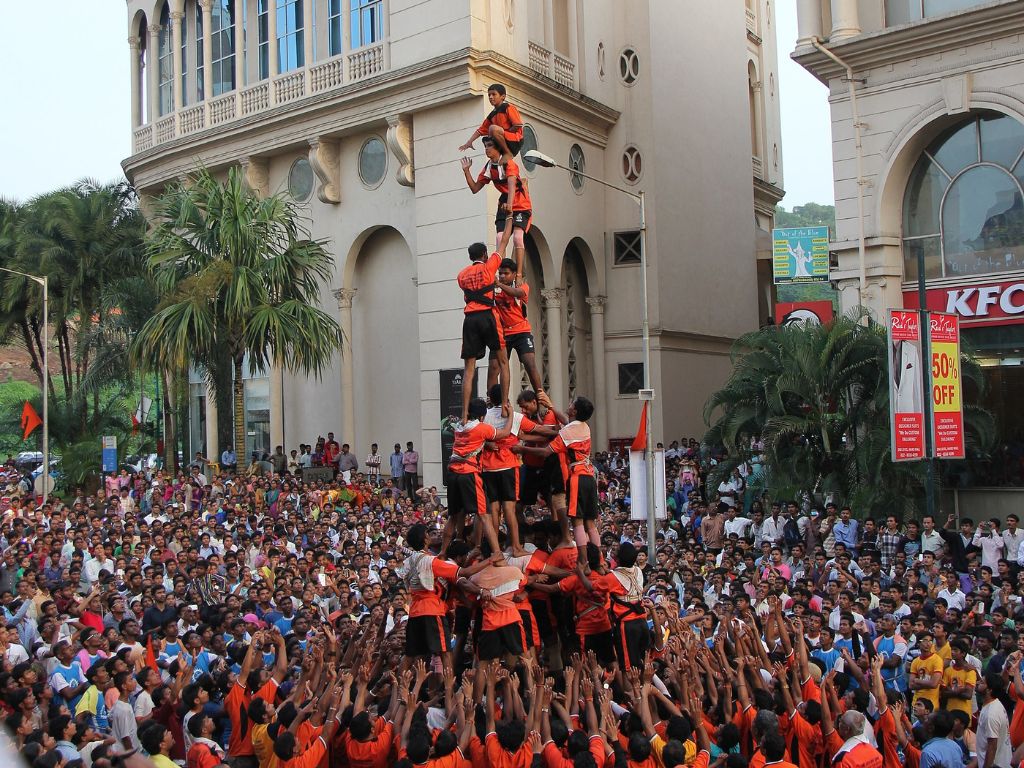
Large cities usually already attract millions of tourists every year. Smaller cities, however, gain much more from festival tourism because the impact becomes immediately visible. Local infrastructure improves, transportation expands, and business opportunities increase.
Many quiet cities use festivals strategically to build long term tourism industries. Annual events encourage hotels, cafes, and cultural centers to invest in better services. Over time, these improvements continue attracting tourists even outside festival seasons.
In some cases, festivals completely redefine the image of a city. A destination previously known only to local residents may become internationally recognized after years of successful celebrations. This transformation often inspires neighboring cities to organize their own cultural events.
Technology also supports festival management today. Organizers use digital systems for ticketing, crowd management, and event promotion. Some technical teams handling festival websites or digital platforms may even rely on tools connected to terms like smf compile while maintaining online discussion forums and event communities.
Cultural Preservation Through Tourism
Another important benefit of cultural festivals is the preservation of traditions. Younger generations sometimes lose interest in older customs, but festivals help keep these traditions alive by making them relevant to modern audiences.
When communities see tourists appreciating local dances, crafts, music, and food, pride in cultural heritage often increases. This encourages artisans and performers to continue practicing traditional skills. Cultural tourism therefore becomes a way of protecting history while supporting local economies.
Festivals also encourage cultural exchange. Travelers learn about customs different from their own backgrounds, while local communities gain exposure to international visitors and perspectives. This exchange creates mutual understanding and respect between cultures.
Conclusion
Cultural festivals have the power to completely transform quiet cities into vibrant tourist hotspots. They stimulate local economies, preserve traditions, attract international attention, and create unforgettable experiences for travelers. In today’s digital world, even small regional festivals can gain global popularity through social media and online storytelling. As travelers increasingly search for meaningful experiences rather than ordinary vacations, cultural festivals continue to grow in importance. Quiet cities that once remained hidden on travel maps are now becoming celebrated destinations because of the traditions, creativity, and community spirit showcased during these remarkable events.
